Save up to 40% on your water bills — switch to smart metering today!
Book a Demo
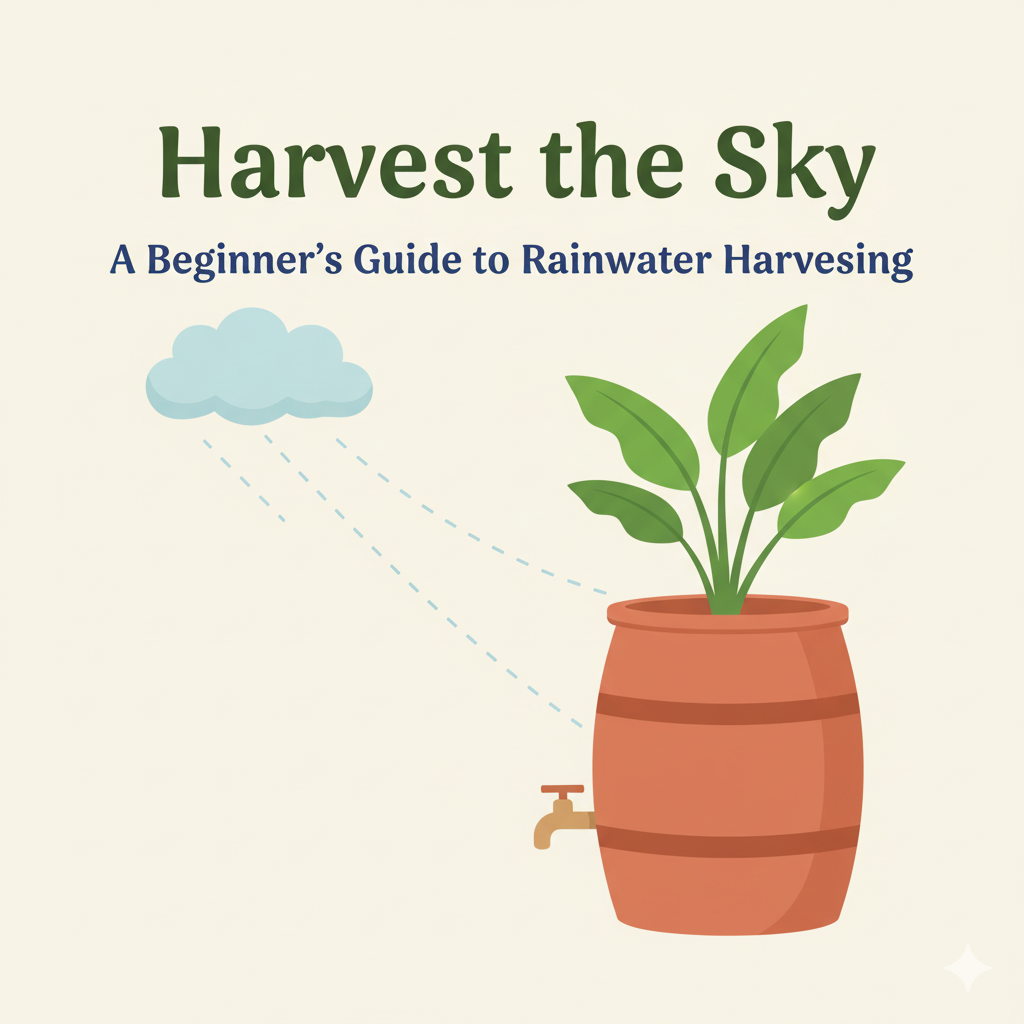
Harvest the Sky: A Beginner's Guide to Rainwater Harvesting

October 30, 2025

Imagine turning a rainy day into a resource that powers your garden, reduces your water bill, and increases your self-sufficiency. This isn't a far-fetched dream; it's the simple, ancient practice of rainwater harvesting, updated for the modern homeowner.
In a world of increasing water uncertainty, capturing rainwater is a powerful step toward resilience. It’s about working with nature, rather than against it, to manage one of our most vital resources. Whether you're an avid gardener or simply looking to live more sustainably, collecting rainwater is a rewarding and impactful project.
Let’s dive into how you can start harvesting the sky.
What is Rainwater Harvesting?
At its core, rainwater harvesting is the collection and storage of rainwater for reuse on-site, rather than allowing it to run off. The most common method involves collecting water from your roof via gutters and directing it into a storage tank, like a rain barrel or a larger cistern.
This "softened," chemical-free water is a treasure trove for your plants and can be used for a variety of non-potable (non-drinking) purposes.
Why Bother? The Myriad Benefits
1. For Your Garden: Liquid Gold
Rainwater is naturally soft and free of the chlorine, fluoride, and salts often found in treated tap water. Plants thrive on it. Using rainwater can lead to healthier soil and more vibrant, productive gardens.
2. For Your Wallet: Reduced Water Bills
Using harvested rainwater to water your lawn, wash your car, or top off a pond means you're not using treated municipal water for those tasks. This can lead to significant savings, especially during dry summer months.
3. For the Environment: Erosion Control and Conservation
By capturing rainwater, you reduce the volume of stormwater runoff from your property. This runoff often carries pollutants from roofs and paved surfaces into local streams and rivers. Harvesting also conserves the massive amount of energy used to treat and pump municipal water.
4. For Your Community: Water Security
On a larger scale, widespread rainwater harvesting reduces the strain on communal water supplies, especially during droughts. It’s a decentralized approach to water security that makes entire neighborhoods more resilient.
Getting Started: Your First Rain Barrel System
You don't need a complex, expensive setup to make a difference. A simple rain barrel system is a perfect starting point.
The Basic Components:
Catchment Surface: Your roof.
Conveyance System: Your gutters and downspouts.
Filter: A simple mesh screen to keep out debris, leaves, and mosquitoes. This is crucial!
Storage Tank: The rain barrel itself (typically 50-100 gallons).
Delivery System: A spigot at the bottom of the barrel to attach a hose or watering can, and an overflow valve to direct excess water away from your home's foundation.
Installation Steps in a Nutshell:
Choose a Location: Place your barrel on a stable, level base (cinder blocks or a pre-made stand) near a downspout. Elevating it creates better water pressure for your watering can.
Prepare the Downspout: Cut your downspout to fit the barrel's inlet. You can use a downspout diverter kit, which is a clean and efficient solution.
Secure the Barrel: Ensure the barrel is stable and the overflow is directed appropriately.
Test the System: Wait for the next rain and watch your barrel fill up!
Leveling Up: Advanced Rainwater Harvesting
For those ready to make a bigger commitment, larger systems can be integrated into a home's plumbing.
Larger Cisterns: Underground or large above-ground tanks can store thousands of gallons, enough to supply water for toilet flushing and laundry.
First-Flush Diverters: These devices discard the first wave of rainwater, which washes the most debris and pollutants off the roof, ensuring cleaner water in your tank.
Filtration and Purification: For indoor use, more advanced filtration and disinfection systems (like UV filters) are necessary to make the water safe for non-potable uses.
Important Considerations
Check Local Regulations: Some areas have regulations governing rainwater harvesting, though most now encourage it. A quick check with your local municipality is wise.
Roofing Material: Water from standard asphalt shingle roofs is generally fine for gardening, but if you have treated wood or copper flashing, you may want to test the water before using it on edible plants.
Mosquito Prevention: Always ensure your barrels are sealed with a tight-fitting, fine mesh screen to prevent mosquitoes from breeding.
The Final Drop
Rainwater harvesting is more than just a technique; it's a mindset. It reconnects us with the natural water cycle and empowers us to be part of the solution. Every gallon collected is a gallon saved—for your garden, your wallet, and our shared environment.
Start small with a single barrel, and you might just find yourself looking at the clouds with a whole new sense of anticipation
Was this page is helpful ?